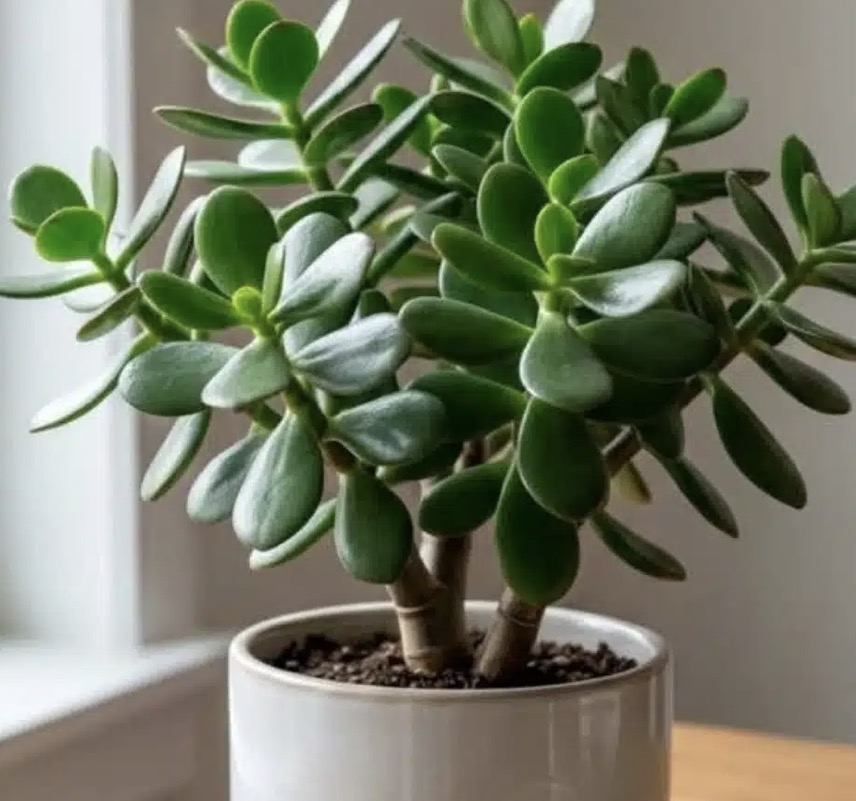
Why Smart Homeowners Are Using This White Liquid on Jade Plants Indoors
Jade plants have become one of the most popular indoor houseplants worldwide. Known for their thick, glossy leaves and reputation as a symbol of prosperity and good fortune, these beautiful succulents are easy to care for and can thrive for decades when given the right conditions.
Recently, a growing number of homeowners and indoor gardening enthusiasts have started using a simple white liquid on their jade plants. At first glance, it may seem like an expensive gardening secret, but the truth is surprisingly simple: many plant lovers are using diluted milk to improve the health and appearance of their jade plants.
So why is this common household ingredient attracting so much attention among indoor gardeners? Let’s explore the benefits, proper application methods, and important precautions.
What Is the White Liquid?
The mysterious white liquid is usually a mixture of milk and water. Most gardeners dilute regular milk with water at a ratio of approximately 1 part milk to 2 or 3 parts water.
This simple solution is gaining popularity because it contains valuable nutrients and natural compounds that can support plant health when used correctly.
Why Jade Plants Love It
1. Provides Essential Nutrients
Milk contains several nutrients that plants can benefit from, including:
- Calcium
- Potassium
- Magnesium
- Proteins
- Trace minerals
Calcium is particularly important because it helps strengthen plant cell walls and supports healthy growth.
When applied properly, diluted milk can supplement the nutrients already present in the soil.
2. Creates Shinier Leaves
One of the biggest reasons homeowners use diluted milk is for leaf maintenance.
Jade plants naturally develop thick, glossy leaves, but indoor dust can quickly dull their appearance.
Using a soft cloth dipped in a diluted milk solution can help:
- Remove dust
- Restore shine
- Improve the plant’s appearance
- Allow leaves to absorb light more efficiently
Many plant enthusiasts notice a healthier, more vibrant look after cleaning their jade plant leaves with a diluted milk mixture.
3. May Help Fight Certain Plant Diseases
Milk has been used for years in gardening as a natural remedy against some fungal issues.
The proteins and enzymes found in milk may create conditions that make it harder for certain fungi to thrive.
While it is not a miracle cure, many gardeners use diluted milk sprays as part of a broader plant care routine.
4. Supports Stronger Growth
Because milk contains natural minerals, occasional use can contribute to healthier growth patterns.
A healthy jade plant often displays:
- Firm leaves
- Thick stems
- Consistent growth
- Rich green color
When combined with proper sunlight and watering practices, milk treatments may help maintain these characteristics.
How to Use Milk on Jade Plants
Method 1: Leaf Cleaning Solution
This is the safest and most popular approach.
Ingredients
- 1 tablespoon milk
- 2 tablespoons water
- Soft microfiber cloth
Instructions
- Mix the milk and water thoroughly.
- Dip a cloth into the solution.
- Gently wipe each leaf.
- Allow the leaves to air dry.
- Avoid direct sunlight during cleaning.
This method removes dust while leaving leaves looking fresh and vibrant.
Method 2: Soil Treatment
Some gardeners add highly diluted milk directly to the soil.
Ingredients
- 1 part milk
- 3 parts water
Instructions
- Mix thoroughly.
- Apply a small amount around the soil surface.
- Use no more than once every few weeks.
Moderation is essential. Too much milk can lead to unpleasant odors or bacterial growth.
Common Mistakes to Avoid
Using Undiluted Milk
Pure milk can cause several problems:
- Soil imbalance
- Mold growth
- Bad odors
- Attraction of pests
Always dilute before use.
Overwatering the Jade Plant
Jade plants are succulents and store water in their leaves.
Excess moisture is one of the most common causes of:
- Root rot
- Yellow leaves
- Stem damage
Milk solutions should never replace proper watering practices.
Applying Too Frequently
More is not always better.
Using milk too often can create excess organic matter in the soil and lead to fungal issues.
A monthly application is generally sufficient.
Other Natural Alternatives for Healthy Jade Plants
If you prefer other natural plant boosters, consider:
Banana Peel Water
Rich in potassium and beneficial for overall plant health.
Compost Tea
Provides a wide range of nutrients and beneficial microorganisms.
Worm Castings
One of the most effective organic fertilizers available.
Epsom Salt Solution
Can provide magnesium when used occasionally and correctly.
Additional Jade Plant Care Tips
To keep your jade plant thriving indoors:
Provide Bright Light
Place your jade plant near a sunny window where it can receive several hours of indirect or direct sunlight daily.
Use Well-Draining Soil
Succulent soil mixes help prevent water from accumulating around roots.
Water Sparingly
Allow the soil to dry between watering sessions.
Rotate the Pot
Turning the pot occasionally encourages balanced growth.
Inspect for Pests
Check regularly for:
- Mealybugs
- Spider mites
- Scale insects
Early detection makes treatment much easier.
Is Milk Really Worth Using?
For many indoor gardeners, the answer is yes—when used correctly.
Diluted milk offers a low-cost, accessible way to:
- Clean jade plant leaves
- Supply small amounts of nutrients
- Support healthy growth
- Enhance the plant’s appearance
However, it should be viewed as a supplement rather than a replacement for proper plant care. Adequate sunlight, well-draining soil, and careful watering remain the foundation of a healthy jade plant.
Final Thoughts
The reason smart homeowners are using this simple white liquid on jade plants indoors is that it provides multiple benefits using an ingredient most people already have in their kitchen. From creating shinier leaves to supplying valuable minerals, diluted milk has earned a place in many indoor gardening routines.
When applied occasionally and in moderation, this natural solution can help your jade plant maintain its lush appearance and continue thriving for years to come. The secret isn’t expensive fertilizers or complicated treatments—sometimes the simplest household ingredients can make the biggest difference.