Introduction
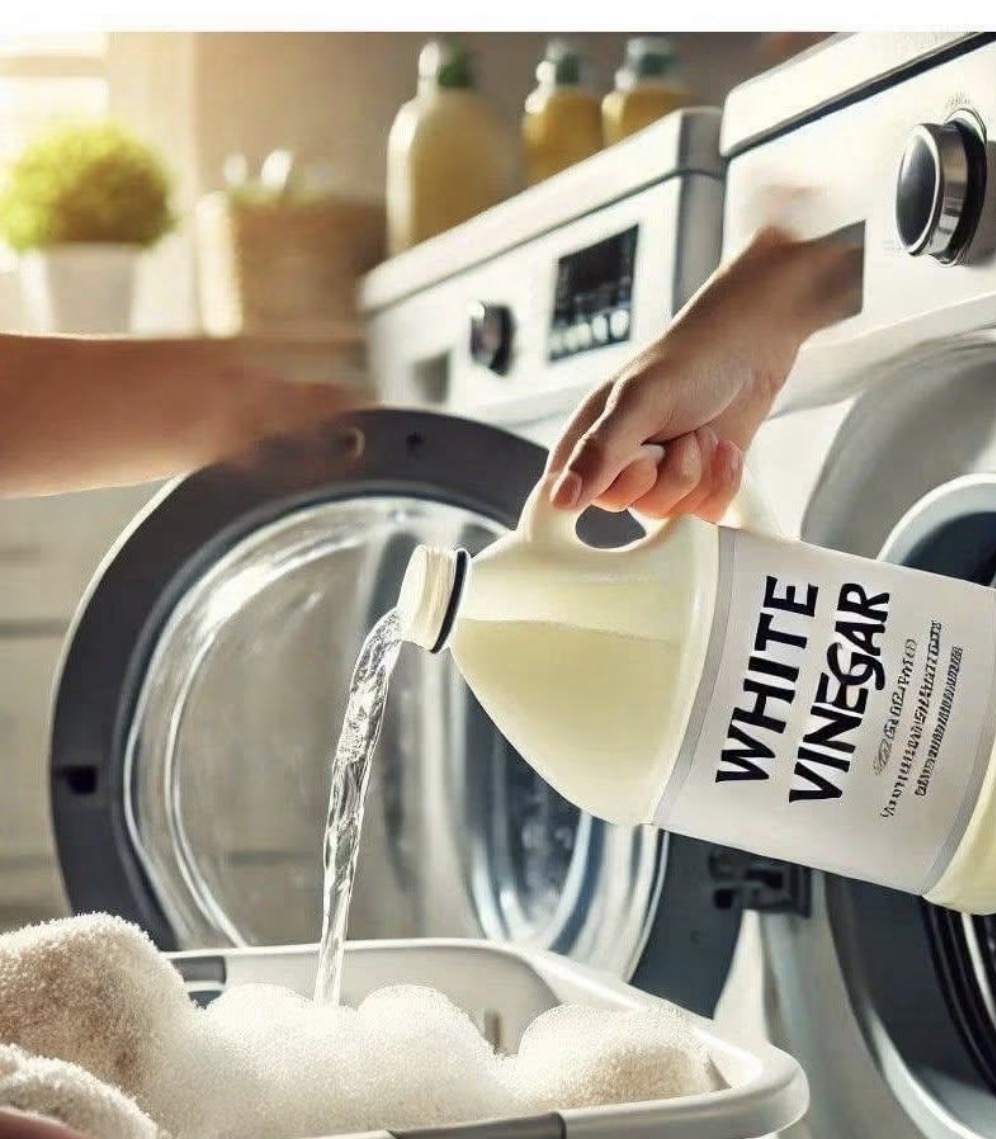
If your white clothes look dull, your towels feel stiff, or your laundry seems to hold onto detergent and unpleasant odors, you may not need another expensive laundry product. Plain white distilled vinegar can be a simple addition to your laundry routine.
Vinegar is acidic, while many laundry residues are alkaline. Used correctly, it can help loosen detergent and mineral buildup, reduce lingering odors, and leave fabrics feeling cleaner and softer. It can be especially useful for towels, which can become stiff when fabric softener and detergent accumulate in the fibers.
However, there is an important detail: vinegar should be used at the right stage of washing and never mixed directly with chlorine bleach. It is also not a miracle bleach, and it should not replace a proper detergent.
This guide explains the right way to use vinegar in laundry, how much to use, what mistakes to avoid, and how to refresh towels and whites safely.
What You’ll Need
Basic Laundry Vinegar Method
- ½ to 1 cup white distilled vinegar
- Your normal laundry detergent
- Washing machine
- White towels or clothing
- Clean water
For a Strongly Odorous Load
- 1 cup white distilled vinegar
- Regular laundry detergent
- Warm or hot water, if appropriate for the fabric-care label
For Towels
- ½ to 1 cup white distilled vinegar
- Regular detergent
- A washing machine with a normal rinse cycle
Important: Use ordinary distilled white vinegar intended for household use, not flavored vinegar, cleaning mixtures containing other chemicals, or concentrated vinegar unless the product specifically gives laundry directions.
Why Vinegar Works in Laundry
Vinegar contains acetic acid. In laundry, its acidity can help dissolve some mineral deposits and detergent residues that remain behind after repeated washing.
Over time, towels can collect:
- Detergent residue
- Hard-water minerals
- Body oils
- Perspiration
- Fabric-softener residue
- Odor-causing compounds
These deposits can make towels feel less absorbent and somewhat rough.
Vinegar can help reduce some of that buildup, allowing the fibers to feel cleaner and fresher.
For this reason, vinegar is often used as a laundry rinse aid rather than as a replacement for detergent.
The Right Way to Use Vinegar
Method 1: Add Vinegar to the Rinse Cycle
This is one of the simplest approaches.
Step 1: Load the Washing Machine
Place your clothes or towels into the washing machine without overloading it.
Overloading prevents water and detergent from moving freely through the fabric.
Step 2: Add Your Normal Detergent
Use your regular detergent according to the manufacturer’s recommended amount.
Don’t assume that more detergent means cleaner clothes. Excess detergent can actually leave additional residue behind.
Step 3: Add Vinegar to the Fabric-Softener Compartment
Pour approximately ½ to 1 cup of white distilled vinegar into the fabric-softener dispenser.
The machine should release it during the rinse cycle.
This is preferable to pouring a large amount directly onto clothes at the beginning of the wash.
Step 4: Run the Normal Cycle
Choose the washing cycle recommended for the fabric.
Step 5: Dry Properly
Dry the laundry according to its care label.
For towels, avoid excessive use of conventional fabric softener because repeated buildup can reduce absorbency.
Vinegar for Softer Towels
Towels are one of the most popular uses for vinegar in laundry.
Although fabric softener can make towels feel temporarily smooth, repeated use can coat fibers and reduce their ability to absorb water.
Vinegar works differently.
It can help remove some of the residue responsible for that stiff, coated feeling.
Simple Towel Refresh
- Put your towels into the washing machine.
- Add your usual detergent.
- Add ½ to 1 cup white distilled vinegar to the rinse compartment.
- Run the appropriate wash cycle.
- Dry thoroughly.
If the towels have significant buildup, one treatment may not completely restore them. Regular washing habits matter more than using a huge amount of vinegar.
Vinegar for White Clothes
Here’s where an important distinction matters.
Vinegar is not a chlorine bleach.
It can help remove some residue and odors that make fabrics appear dull, but it doesn’t magically turn every gray or yellow garment bright white.
For washable whites, the best approach is usually:
- Use the correct amount of detergent.
- Avoid overloading the machine.
- Wash at the temperature recommended on the care label.
- Use an appropriate oxygen-based laundry whitener when needed.
- Use vinegar separately as a rinse aid if appropriate.
Vinegar can help your laundry routine, but it shouldn’t be treated as a substitute for a dedicated whitening product.
Vinegar and Odors
One reason people love vinegar for laundry is its ability to help with lingering smells.
Sweat, body oils, detergent buildup, and damp storage can all contribute to unpleasant odors.
A vinegar rinse can help reduce some of that residue.
Odor-Refreshing Method
For a normal load:
- Add detergent as usual.
- Add ½–1 cup white distilled vinegar to the rinse dispenser.
- Run the cycle.
- Remove laundry promptly after washing.
- Dry completely.
For especially musty towels, you may need to address the underlying problem too.
If towels remain damp for hours, even the best washing routine won’t prevent recurring odors.
The Most Important Mistake: Mixing Vinegar With Bleach
Never mix vinegar with chlorine bleach.
This is one of the most important laundry-safety rules.
Acidic products such as vinegar can react with chlorine bleach and release dangerous chlorine gas.
So don’t add vinegar and chlorine bleach to the same wash or intentionally combine them in a container.
If you want to use both products as part of separate laundry treatments, keep them completely separate, rinse the machine/fabrics appropriately between treatments, and follow the product labels.
Can You Use Vinegar With Detergent?
Generally, vinegar is best used during the rinse stage, rather than mixed directly with detergent.
The reason is simple: detergent is designed to clean during the wash cycle, while vinegar can be used later to help rinse away certain residues.
That’s why the fabric-softener dispenser is convenient.
Think of the routine like this:
Wash:
Detergent → removes dirt, oils, and stains.
Rinse:
Vinegar → helps with certain residues and odors.
Dry:
Thorough drying → helps prevent musty smells.
Vinegar vs. Fabric Softener
These products aren’t identical.
Traditional Fabric Softener
Fabric softeners work primarily by depositing conditioning ingredients onto fibers. This can make fabrics feel smoother, but excessive use may reduce towel absorbency.
Vinegar
Vinegar doesn’t function like a conventional fabric softener. Instead, its acidity can help with certain mineral and detergent residues.
For towels, many people prefer skipping traditional fabric softener and using an occasional vinegar rinse instead.
How Much Vinegar Should You Use?
More isn’t necessarily better.
For a typical household laundry load, ½ to 1 cup of white distilled vinegar is a reasonable range commonly used as a rinse aid.
For smaller loads, you may need less.
If you’re using a washing machine with a specific dispenser capacity, follow the machine manufacturer’s instructions.
Using excessive vinegar repeatedly isn’t necessary and can contribute to wear on certain materials or machine components.
A Simple Weekly Laundry Routine
If your goal is cleaner-smelling and softer-feeling laundry, consistency matters more than using huge quantities of vinegar.
Regular Clothes
Use normal detergent and wash according to the care label.
Towels
Use detergent and occasionally add vinegar to the rinse compartment.
Whites
Use an appropriate detergent and, when necessary, a fabric-safe whitening product.
Bedding
Wash regularly and make sure everything dries completely.
Workout Clothes
Follow the garment’s care instructions and avoid excessive detergent, which can leave residue in technical fabrics.
What Vinegar Can and Cannot Do
Vinegar Can Help With:
- Certain detergent residues
- Some hard-water mineral buildup
- Lingering odors
- Towels that feel coated
- General laundry freshness
- Reducing reliance on conventional fabric softener
Vinegar Cannot:
- Replace laundry detergent
- Act like chlorine bleach
- Remove every stain
- Repair damaged fibers
- Guarantee perfectly white clothes
- Eliminate every type of bacteria or fungus
- Make old towels brand-new
This distinction is important because online laundry hacks sometimes exaggerate what vinegar can accomplish.
History of Vinegar in the Home
Vinegar has been used for thousands of years.
Ancient civilizations discovered that fermented liquids could become acidic and useful for food preservation, cooking, cleaning, and household applications.
As vinegar became a common household product, people found many practical uses for it beyond the kitchen.
Before modern commercial detergents and fabric conditioners became widely available, households relied heavily on simple materials and traditional washing techniques.
Vinegar remained popular because it was inexpensive, widely available, and useful for dealing with odors and mineral deposits.
Today, it continues to be a popular household laundry ingredient.
Benefits of Using Vinegar in Laundry
1. Helps Reduce Residue
Vinegar can help loosen some detergent and mineral deposits.
2. Helps Freshen Laundry
Its acidic properties can help with certain lingering odors.
3. Useful for Towels
It can help towels feel less coated when buildup is the problem.
4. Affordable
A bottle of distilled white vinegar is inexpensive compared with many specialized laundry products.
5. Simple
You don’t need complicated measurements or multiple products.
6. Convenient
It can be added through the washing machine’s fabric-softener dispenser.
A Deep-Clean Towel Routine
If your towels have become stiff and smell musty, try improving the entire washing routine rather than simply adding more vinegar.
First Wash
Wash towels with your normal detergent using the hottest temperature allowed by their care label.
Don’t overload the machine.
Rinse
Use an additional rinse if your washing machine offers one.
Vinegar Rinse
During a subsequent wash, add ½–1 cup of white distilled vinegar to the rinse dispenser.
Dry Completely
Dry towels thoroughly.
If you’re using a dryer, don’t leave the towels sitting inside after the cycle finishes.
For air drying, ensure there’s enough airflow between towels.
Common Mistakes People Make
Mistake #1: Pouring Vinegar Everywhere
You don’t need to soak your laundry in vinegar.
Use a moderate amount and place it in the appropriate dispenser when possible.
Mistake #2: Using Vinegar Instead of Detergent
Vinegar isn’t a complete laundry detergent.
You still need a detergent designed to remove dirt and oils.
Mistake #3: Mixing Vinegar With Bleach
This can create dangerous chlorine gas.
Never do this.
Mistake #4: Expecting Vinegar to Whiten Everything
Vinegar can help remove residues that contribute to dullness, but it isn’t a bleaching agent.
Mistake #5: Using Too Much
More vinegar doesn’t automatically mean cleaner clothes.
Mistake #6: Ignoring the Care Label
Some fabrics require special care. Always follow the manufacturer’s instructions.
Mistake #7: Leaving Laundry Wet
Even freshly washed laundry can develop unpleasant odors when left wet in a closed machine.
Is Vinegar Safe for Every Fabric?
No household laundry trick is universally suitable for every fabric.
For ordinary cotton towels, sheets, and many washable garments, diluted distilled white vinegar is commonly used as a rinse aid.
However, delicate fabrics, specialty finishes, elastic materials, waterproof coatings, and garments with specific care instructions may require different treatment.
Always check the garment label.
If you’re unsure, test your laundry routine on a less important item first.
Vinegar Laundry Tips for Better Results
Don’t Overload the Machine
Clothes need space to move through water.
Measure Your Detergent
Using too much detergent can contribute to residue.
Don’t Leave Wet Clothes Sitting
Transfer laundry promptly after washing.
Clean the Washing Machine
A dirty washer can contribute to odors.
Keep Towels Dry Between Uses
Hang towels so they can dry completely.
Avoid Excessive Fabric Softener
Especially with towels, too much softener can reduce absorbency.
Use the Correct Temperature
Follow the care label rather than automatically choosing the hottest cycle.
Can Vinegar Make Towels More Absorbent?
It can help when reduced absorbency is caused by buildup, particularly detergent or fabric-softener residue.
But if a towel is old and its fibers are permanently damaged or worn down, vinegar won’t restore it to new condition.
Think of vinegar as a way to improve the washing process—not as a repair treatment.
The Best Vinegar Laundry Formula
For a simple everyday routine:
½ cup white distilled vinegar + normal detergent + proper rinse + complete drying
For a larger or heavily loaded machine, some households use up to 1 cup, depending on the machine and load.
Don’t continuously increase the quantity just because you want stronger results.
Frequently Asked Questions
Does vinegar make white clothes whiter?
It can help remove some residues that make fabrics look dull, but vinegar is not a bleaching agent. For serious whitening, use a suitable laundry whitener according to its label.
Can I use vinegar instead of fabric softener?
Vinegar can be used as an alternative rinse aid, and many people choose it for towels. It doesn’t work in exactly the same way as conventional fabric softener.
Does vinegar remove bad smells?
It can help reduce some odors, particularly those associated with residue and dampness. Persistent odors may require addressing the washing machine, drying process, or the fabric itself.
Can I use vinegar with laundry detergent?
Yes, but it’s generally better to add vinegar during the rinse stage rather than mixing it directly with detergent.
Can I use vinegar with bleach?
No. Never mix vinegar with chlorine bleach.
Will vinegar damage my washing machine?
Frequent use of acidic products may not be appropriate for every machine or component. Follow your washing machine manufacturer’s recommendations.
How often should I use vinegar?
It doesn’t need to be used in every load. Occasional use can be enough, particularly when you’re dealing with residue, odors, or towels that feel coated.
Final Thoughts
Vinegar can be a surprisingly useful addition to a laundry routine—but the secret isn’t using more of it. The secret is using it at the right time and for the right purpose.
Use your normal detergent for cleaning, place diluted white distilled vinegar in the rinse compartment when appropriate, avoid excessive amounts, and never combine vinegar with chlorine bleach.
For towels, the combination of proper detergent measurement, occasional vinegar rinsing, avoiding excessive fabric softener, and thorough drying can make a noticeable difference when buildup is the culprit.
And when it comes to white laundry, remember: vinegar can help with residue and freshness, but it isn’t a replacement for a proper whitening product.
The simplest formula is often the best:
Clean properly → rinse properly → dry completely.
That’s the real secret to fresher laundry, softer-feeling towels, and whites that stay looking their best.