Introduction
Aloe vera gel has been a popular natural skin-care ingredient for generations. Known for its fresh, soothing texture, aloe vera is often used as a simple home-care treatment when the skin feels dry, tight, irritated, or overheated.
Fresh aloe vera gel is mostly water, which gives it a cooling and lightweight feel. It can be used on its own or combined with a few gentle ingredients to create a simple homemade skin-care routine.
However, natural does not automatically mean risk-free. Aloe latex—the yellow substance just beneath the leaf skin—can irritate the skin, so it is important to remove it carefully and use only the clear inner gel.
A Brief History of Aloe Vera
Aloe vera has a long history of traditional use in different parts of the world. The plant has been cultivated in warm climates for centuries and was valued for its gel and latex.
Traditional preparations commonly used the clear gel externally for skin care. Over time, aloe vera became a familiar ingredient in commercial lotions, after-sun products, moisturizers, and other cosmetic formulations.
Today, aloe vera remains popular because its gel is lightweight, easy to apply, and contains compounds that can help moisturize and soothe the skin.
Ingredients
For a Simple Fresh Aloe Vera Gel
- 1 large mature aloe vera leaf
- Clean water
- A clean knife
- A clean spoon
- A small glass container with a lid
Optional Gentle Additions
For a simple face mask, you can mix a small amount of aloe gel with:
- 1 teaspoon plain oatmeal powder
- A few drops of water if needed
Avoid adding lemon juice, baking soda, toothpaste, perfume, or essential oils to homemade facial aloe preparations. These can be irritating, especially for sensitive skin.
How to Prepare Fresh Aloe Vera Gel
Step 1: Choose the Leaf
Select a healthy, mature aloe vera leaf. Wash it thoroughly under cool running water.
Step 2: Remove the Ends
Cut off the pointed tip and the thick base of the leaf.
Step 3: Drain the Yellow Latex
Stand the leaf upright or place it cut-side down for several minutes so the yellow latex can drain away.
This step is important because aloe latex contains compounds that may cause irritation.
Step 4: Remove the Outer Skin
Place the leaf on a clean cutting board. Carefully slice away the green outer layer with a clean knife.
Step 5: Collect the Clear Gel
Use a clean spoon to scoop out the transparent inner gel.
Rinse the gel thoroughly with clean water to remove any remaining yellow material.
Step 6: Blend
Place the cleaned gel into a clean blender and blend briefly until it becomes smooth.
You can also mash it with a spoon if you prefer a more natural, slightly chunky texture.
Step 7: Store
Transfer the gel into a clean, covered container and refrigerate it.
Because homemade aloe gel contains no preservative system, it is much less shelf-stable than commercially formulated aloe products. For the safest approach, prepare small quantities and use them promptly rather than storing homemade gel for long periods.
How to Use Aloe Vera Gel on the Skin
As a Simple Moisturizing Gel
- Wash your face with a gentle cleanser.
- Pat your skin dry.
- Apply a thin layer of aloe vera gel.
- Leave it on.
- Follow with your usual moisturizer if your skin feels dry.
Aloe can provide hydration, but it may not be moisturizing enough by itself for very dry skin.
Aloe Vera and Oatmeal Soothing Mask
Ingredients
- 1 tablespoon fresh aloe vera gel
- 1 teaspoon finely ground plain oatmeal
Method
Mix the ingredients into a smooth paste.
Apply a thin layer to clean skin, avoiding the eyes and lips.
Leave it on for approximately 10–15 minutes.
Rinse gently with lukewarm water and pat dry.
Finish with a gentle moisturizer.
Why Oatmeal?
Finely ground oatmeal is commonly used in skin-care products designed for dry or irritated skin. It can provide a soft, comforting feel while complementing the lightweight texture of aloe.
Potential Benefits of Aloe Vera for Skin
1. Provides Hydration
Aloe vera gel contains a high amount of water, making it feel refreshing and lightweight on the skin.
2. Gives a Cooling Sensation
The gel can feel pleasantly cool when applied to the skin, particularly when refrigerated.
3. Helps Soothe the Skin
Aloe preparations are commonly used to calm skin that feels uncomfortable or mildly irritated.
4. Supports a Simple Skin-Care Routine
Aloe gel can be an easy addition to a minimalist routine because it requires very few ingredients.
5. Useful After Sun Exposure
Aloe is widely used in after-sun products because of its cooling and soothing sensation. However, it should not be considered a substitute for sunscreen or medical treatment for significant sunburn.
6. Lightweight Texture
Unlike heavy creams or oils, aloe gel generally feels light and absorbs relatively quickly.
Important Skin-Safety Tips
Before applying homemade aloe to your entire face, perform a patch test.
Apply a small amount to a limited area of skin and wait to see whether irritation develops.
Stop using it if you experience:
- Burning
- Significant redness
- Swelling
- Itching
- Rash
- Increasing irritation
Never apply homemade aloe gel to a deep wound or seriously damaged skin.
Also avoid getting it into your eyes.
If you have a severe burn, blistering, extensive rash, or worsening skin reaction, seek appropriate medical advice rather than relying on homemade aloe.
Aloe Vera for Different Skin Types
Dry Skin
Aloe can provide lightweight hydration, but very dry skin may need a richer moisturizer afterward.
Oily Skin
Its lightweight, water-based texture can be appealing for people who dislike heavy creams.
Combination Skin
A small amount can be applied to areas that feel dry while keeping the application light in oilier areas.
Sensitive Skin
Be particularly cautious. Use a simple, fragrance-free aloe product or carefully prepared gel and always patch-test first.
Fresh Aloe vs. Store-Bought Aloe Gel
Fresh aloe can be appealing because it is simple and minimally processed. However, homemade gel has an important disadvantage: it does not contain the preservatives and quality controls used in properly formulated commercial products.
A commercially prepared aloe gel can therefore be more convenient and predictable for regular skin care.
When purchasing aloe products, look for products with straightforward ingredient lists and avoid products containing ingredients that you already know irritate your skin.
How Often Can You Use Aloe Vera?
There is no universal requirement to use aloe every day.
For a simple routine, you could start with a thin layer a few times per week and see how your skin responds.
If your skin tolerates it well, it can become part of your regular moisturizing routine.
More is not necessarily better. A thin layer is generally sufficient.
Common Mistakes to Avoid
Using the Yellow Latex
Do not simply scoop gel directly from a freshly cut leaf without removing the yellow latex.
Applying Too Much
A thick layer isn’t necessarily more effective. A small amount is usually enough.
Mixing Too Many Ingredients
Homemade skin care works best when kept simple. Combining aloe with many kitchen ingredients can increase the chance of irritation.
Using Lemon Juice
Lemon juice can irritate the skin and may make skin more sensitive to sunlight. It is unnecessary for an aloe treatment.
Using Baking Soda
Baking soda can disrupt the skin’s normal barrier and cause irritation, particularly on the face.
Keeping Homemade Gel for Too Long
Homemade aloe lacks the preservation system of commercial cosmetics. Make small batches and keep them refrigerated rather than assuming they are safe for extended storage.
Formation and Texture
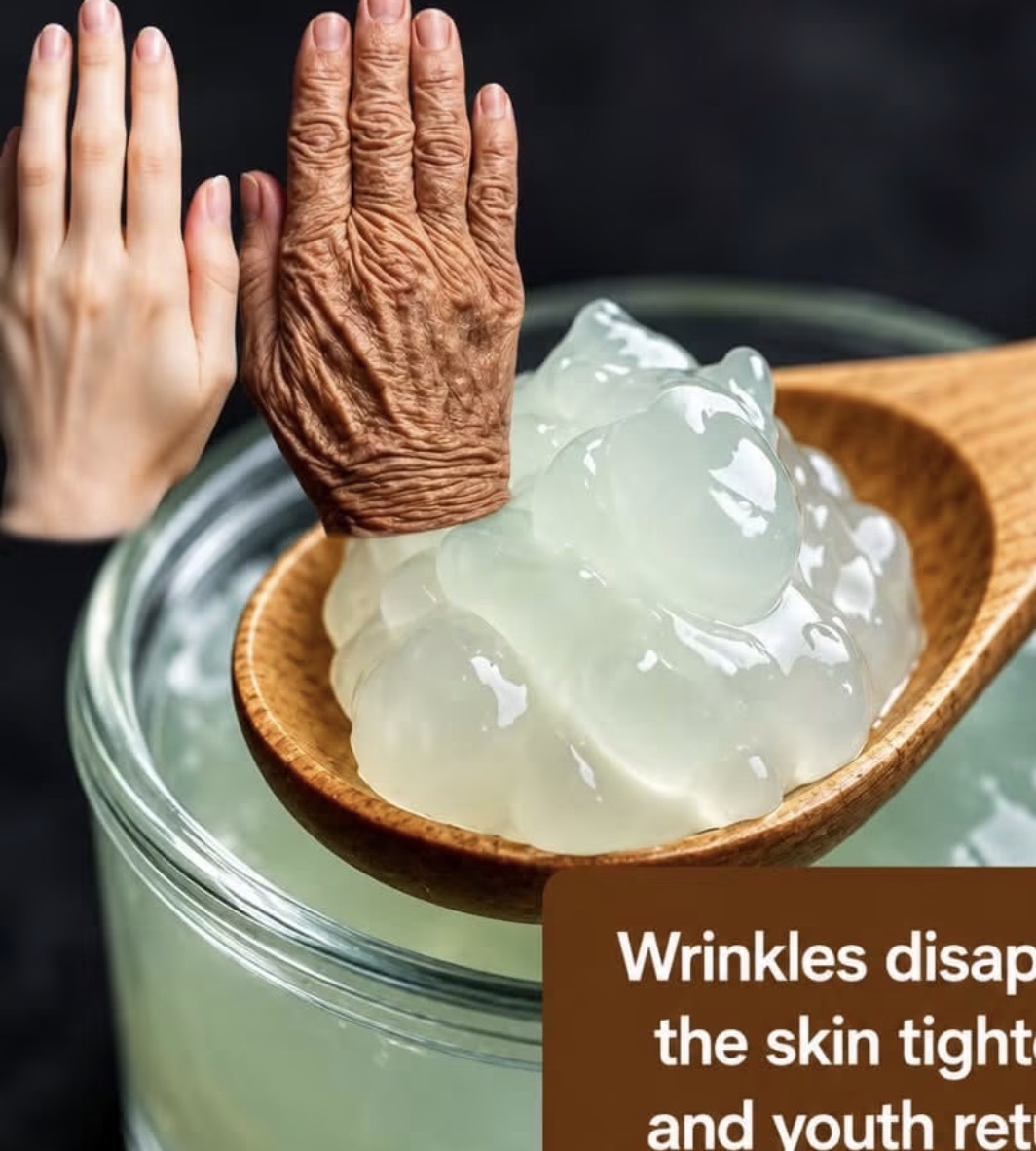
Fresh aloe vera gel has a unique consistency.
When first removed from the leaf, it is transparent, slippery, and slightly thick. After blending, it becomes smoother and more liquid-like.
The gel’s texture comes from naturally occurring polysaccharides and other components found within the aloe leaf.
Because homemade aloe contains a lot of water and has no commercial preservative system, its appearance, smell, and texture can change over time.
If it develops an unusual smell, color, mold, or other signs of spoilage, discard it.
A Simple Aloe Vera Skin-Care Routine
Morning
1. Cleanse
Wash your face gently.
2. Aloe
Apply a thin layer if your skin tolerates it.
3. Moisturizer
Use your regular moisturizer.
4. Sunscreen
Finish with broad-spectrum sunscreen during daytime.
Evening
1. Cleanse
Remove makeup, sunscreen, and daily buildup.
2. Aloe
Apply a thin layer.
3. Moisturize
Use a moisturizer appropriate for your skin type.
Who Might Love Aloe Vera Gel?
Aloe vera can be especially appealing to people who enjoy:
- Simple skin-care routines
- Lightweight products
- Cooling skin-care textures
- Minimal-ingredient beauty routines
- Homemade personal-care preparations
- Gentle hydration
It is also an inexpensive way to experiment with a simple skin-care ingredient—provided it is prepared and stored safely.
Final Thoughts
Aloe vera gel is a classic home-care favorite for good reason: it is simple, lightweight, refreshing, and easy to incorporate into a basic skin-care routine.
The key is simplicity and safety. Remove the yellow latex carefully, use clean equipment, patch-test before applying it widely, and remember that homemade aloe gel does not have the preservation system of a commercial cosmetic.
For everyday skin care, aloe works best as one small part of a balanced routine that includes gentle cleansing, appropriate moisturizing, and daily sun protection.
A Little Aloe, a Little Care
Sometimes the simplest skin-care routines are the easiest to maintain. A small amount of properly prepared aloe vera gel can provide a refreshing, soothing step without requiring a complicated collection of products.